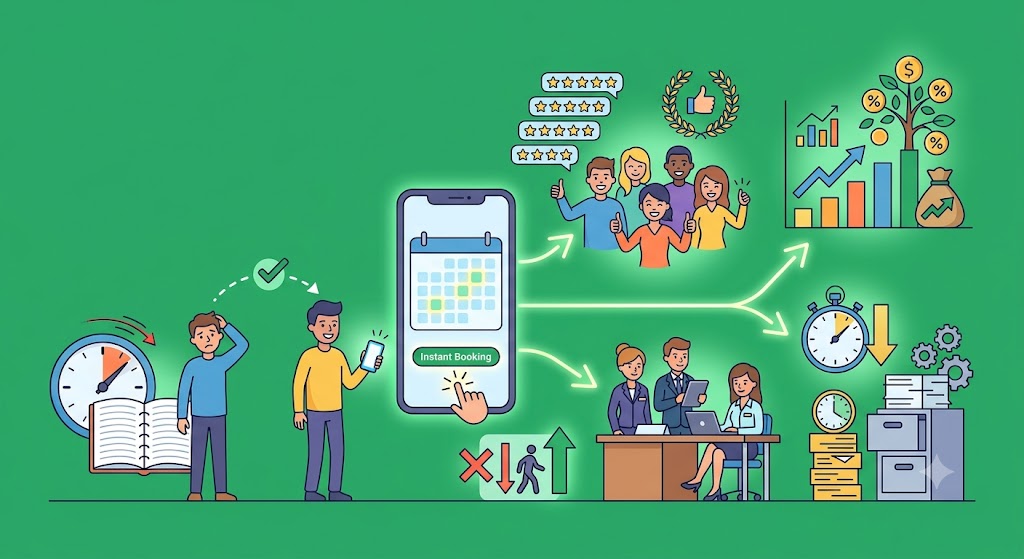
🗓️ Why weekly planning matters
A well-organized weekly schedule is one of the most important factors in running a successful business. Whether you manage a small team or a growing company, effective scheduling helps improve productivity, reduce last-minute issues, and ensure your employees and customers have the best possible experience.
Instead of reacting to problems as they arise, a structured weekly plan allows you to stay ahead, allocate resources wisely, and create a more efficient workplace. Here are seven practical tips to help you organize your business's weekly schedule more effectively.
📅 Plan ahead
Avoid creating schedules at the last minute. Instead, prepare your team's weekly schedule at least one week in advance. This gives employees enough time to plan their personal commitments and reduces unexpected scheduling conflicts.
Benefits include:
✅ Fewer last-minute changes
✅ Better team coordination
✅ Reduced stress for managers and employees
👥 Consider employee availability
A successful schedule isn't just about filling shifts—it's about balancing business needs with employee availability.
Before finalizing the schedule, collect information about:
🏖️ Vacation requests
⏰ Preferred working hours
🎓 Training sessions or personal commitments
Respecting your team's availability leads to higher job satisfaction, better attendance, and improved morale.
📊 Schedule according to business demand
Review your business data to identify your busiest days and hours. By understanding customer traffic patterns, you can assign the right number of employees during peak periods while avoiding unnecessary labor costs during quieter times.
For example:
🍽️ Restaurants often need more staff on weekends.
🛍️ Retail stores may experience higher traffic during evenings or holiday seasons.
Matching staffing levels to demand helps improve customer service and operational efficiency.
💻 Use digital scheduling tools
Managing schedules manually can be time-consuming and prone to errors. Modern scheduling software simplifies the entire process by allowing managers to create, edit, and share schedules instantly.
Digital tools can help you:
📱 Notify employees about new schedules
🔄 Update shifts in real time
🔔 Send automatic reminders
📈 Track attendance and scheduling history
Automation saves valuable time while reducing administrative mistakes.
⚖️ Distribute shifts fairly
Fair scheduling is essential for maintaining a motivated and engaged workforce. Rotate morning, evening, weekend, and holiday shifts whenever possible to ensure workloads are balanced across the team.
Employees appreciate transparency and fairness, which can lead to improved performance, lower turnover, and a healthier workplace culture.
🔄 Leave room for flexibility
Unexpected situations such as employee illness, emergency leave, or sudden increases in customer demand can quickly disrupt even the best-planned schedule.
Prepare for these situations by:
✅ Having backup employees available
✅ Creating contingency plans
✅ Communicating schedule updates quickly
Flexibility helps your business continue operating smoothly when unexpected challenges arise.
📈 Review and improve every week
Scheduling is an ongoing process, not a one-time task. At the end of each week, take a few minutes to evaluate how well the schedule worked.
Ask yourself:
Did we have enough staff during busy periods?
Were overtime hours kept under control?
Were employees satisfied with their shifts?
What can be improved next week?
Continuous evaluation allows you to make smarter scheduling decisions over time.
🚀 Conclusion
An organized weekly schedule is much more than an administrative task—it's a strategic advantage. Effective planning improves productivity, reduces labor costs, enhances employee satisfaction, and delivers a better experience for customers. By planning ahead, using digital scheduling tools, balancing workloads fairly, and reviewing your schedule regularly, your business can operate more efficiently every week. Investing time in smarter scheduling today will lead to stronger performance, happier employees, and long-term business success.
👉 Sign up for free on Kalendar!